
Hear from Our Customers
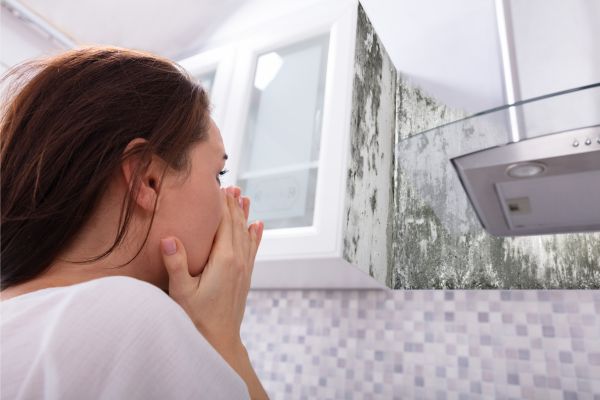
You’re dealing with something you can’t see, can’t measure, and might not even know is there. That musty smell in your basement after Hulmeville’s recent heavy rains. Your kid’s asthma acting up every time they’re home. The weird staining on your bathroom ceiling that keeps coming back no matter how many times you clean it.
Professional mold testing tells you exactly what’s happening in your air and on your surfaces. We use calibrated air sampling equipment that pulls a known volume of air through collection cassettes, capturing both living and dead spores that trigger allergic reactions. We compare your indoor counts against outdoor baseline samples taken the same day, so you know whether something unusual is actually happening inside your walls.
The lab analysis identifies specific mold types and spore counts. You get documentation that works for insurance claims, landlord disputes, or peace of mind before closing on a house. Most importantly, you get a clear answer about whether you need remediation or just better ventilation.
We work with families throughout Hulmeville and Bucks County who need straight answers about their indoor air quality. We know this area’s climate. Pennsylvania’s precipitation has increased 5% to 10% recently, and that extra moisture is showing up in basements, crawl spaces, and attics all over town.
We’re not here to sell you remediation you don’t need. We test first, show you the lab results, and explain what they mean in plain language. If you have a problem, we’ll tell you. If you don’t, we’ll tell you that too.
You’re dealing with your family’s health and your largest investment. That deserves more than a DIY kit from the hardware store that Consumer Reports rated as “Not Recommended.”
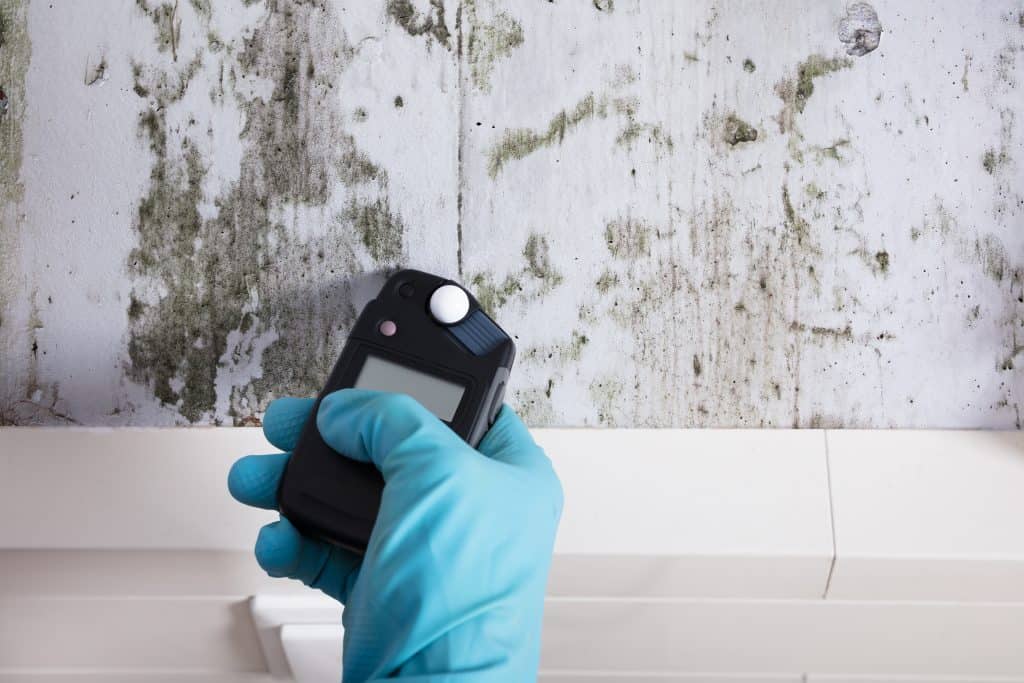
We start with a visual assessment of your property, looking for the telltale signs: discoloration, water stains, peeling paint, or any history of leaks and moisture problems. We use pin-type moisture meters to check drywall, wood, and other materials. Readings above 16% to 17% mean conditions where mold thrives.
Then we collect air samples using spore trap technology. We run calibrated pumps that pull air through small cassettes for 5 to 15 minutes per location. This captures mold spores on a sticky collection surface inside the cassette. We always take at least one outdoor sample at the same time to establish your baseline, since mold exists naturally in outdoor air.
The cassettes go to a certified lab where a microbiologist identifies and counts the spore types under a microscope. You get a detailed report showing what’s in your air, how it compares to outdoor levels, and whether any species present are known to produce mycotoxins. We walk you through the results and explain what action, if any, makes sense for your situation.
Ready to get started?
You get air sampling from multiple locations in your home, with outdoor baseline comparison included. We test the areas you’re concerned about plus any spaces our visual inspection flags as potential problems. Hulmeville homes built on crawl spaces or with finished basements often need extra attention due to poor ventilation and humidity issues common in this area.
Surface sampling is available when you have visible growth or suspicious staining. We use swabs or tape lifts to collect material for lab analysis. Bulk sampling takes physical samples of materials or debris when we need in-depth testing of what’s actually growing on a surface.
Moisture mapping shows you where water is getting in. This is critical because mold needs moisture to grow, and in Hulmeville’s wet climate, finding the source prevents future problems. You receive a written report with lab results, moisture readings, photos, and our professional assessment. If your homeowner’s insurance covers mold testing due to a covered event like a burst pipe, we provide the documentation you need for your claim.
A full mold inspection with sample collection typically runs between $300 and $600 for most homes in Hulmeville. Larger properties or situations requiring extensive sampling can reach $1,000. That includes the visual assessment, air sampling from multiple locations, outdoor baseline sample, certified lab analysis, and a detailed written report.
Compare that to DIY kits that cost $10 to $150 but give you unreliable results. Consumer Reports tested every major DIY kit and rated them all as “Not Recommended” due to significant flaws. The settling plates that come in most kits will always grow mold, which tells you nothing about whether your home actually has a problem.
You’re paying for calibrated equipment, professional interpretation, and results you can actually use to make decisions. If you’re dealing with unexplained health symptoms, preparing for a real estate transaction, or need documentation for insurance, the cost of accurate testing is worth avoiding the expense of unnecessary remediation or missing a real problem.
Get tested when you suspect hidden mold you can’t see, when unexplained respiratory symptoms improve every time you leave your home, or when you need documentation for a landlord or insurance claim. That persistent musty odor in your basement after Hulmeville’s heavy spring rains is a red flag worth investigating.
Testing makes sense before buying a home, especially older properties in Bucks County where moisture problems in basements and crawl spaces are common. If you’ve had any water damage from burst pipes, roof leaks, or flooding, test even after cleanup to confirm nothing was missed.
Don’t wait if you’re seeing visible signs like discolored spots, fuzzy patches, or peeling paint. Mold can grow within 24 to 48 hours after water exposure, and what starts small spreads fast in the right conditions. High mold spore counts can trigger asthma in children and adults, cause headaches, and create respiratory issues that feel like you’re constantly catching a cold.
Air sampling captures mold spores floating in your air right now. We use spore trap technology that pulls air through a cassette, collecting spores on a sticky surface. This shows you what you’re actually breathing and how your indoor air compares to outdoor levels. Air sampling catches both visible and hidden mold problems because spores circulate throughout your home.
Surface sampling tests specific spots where you see growth or staining. We use swabs, tape lifts, or bulk samples to collect material directly from walls, ceilings, or other surfaces. This identifies exactly what species is growing in that location and whether it produces mycotoxins.
Most professional mold inspections include both methods. Air sampling gives you the big picture of your indoor air quality. Surface sampling confirms what’s actually growing on problem areas. Together, they provide the complete information you need to understand your situation and make informed decisions about remediation.
DIY kits are largely unreliable and won’t give you useful information. Consumer Reports tested every major kit and rated them all as “Not Recommended,” citing significant flaws across the board. The settling plates that come in most kits will always grow mold because mold exists naturally in all air. That doesn’t tell you whether your home has a problem.
Professional testing uses calibrated equipment that measures exact air volumes and compares your indoor counts to outdoor baseline samples taken the same day. A microbiologist analyzes your samples under a microscope and identifies specific species. You can’t get that level of accuracy from a $40 kit.
The real issue is interpretation. There are no specific parts-per-million limits to test against. The CDC states plainly that measured mold concentrations from short-term air samples cannot be interpreted in relation to health risks without professional context. You need someone who understands what the numbers mean for your specific situation, not just a lab result that creates more questions than answers.
The onsite inspection and sample collection usually takes one to two hours depending on your home’s size and how many areas we’re testing. We’re checking moisture levels, doing a visual assessment, and running air samples from multiple locations. Each air sample runs for 5 to 15 minutes per location to collect enough spores for accurate analysis.
Lab results typically come back within three to five business days. The certified lab needs time to properly analyze your samples under a microscope, identify species, and count spores. Rush processing is sometimes available if you’re in a time-sensitive situation like a real estate closing.
We schedule a follow-up call to review your results and explain what they mean. You’ll get a detailed written report with lab findings, photos from the inspection, moisture readings, and our professional assessment. If remediation is needed, we can start that process immediately. If your air quality is fine, you’ll have documentation proving it.
Many homeowner’s insurance policies cover mold inspection and testing if the mold resulted from a covered event like a burst pipe, roof leak, or storm damage. The key is whether the water damage itself was sudden and accidental, not gradual or due to lack of maintenance.
Review your policy or call your insurance company before scheduling testing. Ask specifically about mold coverage and what documentation they require. We provide detailed reports with photos, lab results, and professional findings that meet insurance requirements for claims.
Even if insurance doesn’t cover testing, the cost of knowing what you’re dealing with prevents expensive mistakes. Unnecessary remediation costs thousands. Missing a real problem that spreads costs even more and puts your family’s health at risk. Professional testing gives you the information to make the right call for your situation.
Other Services we provide in Hulmeville